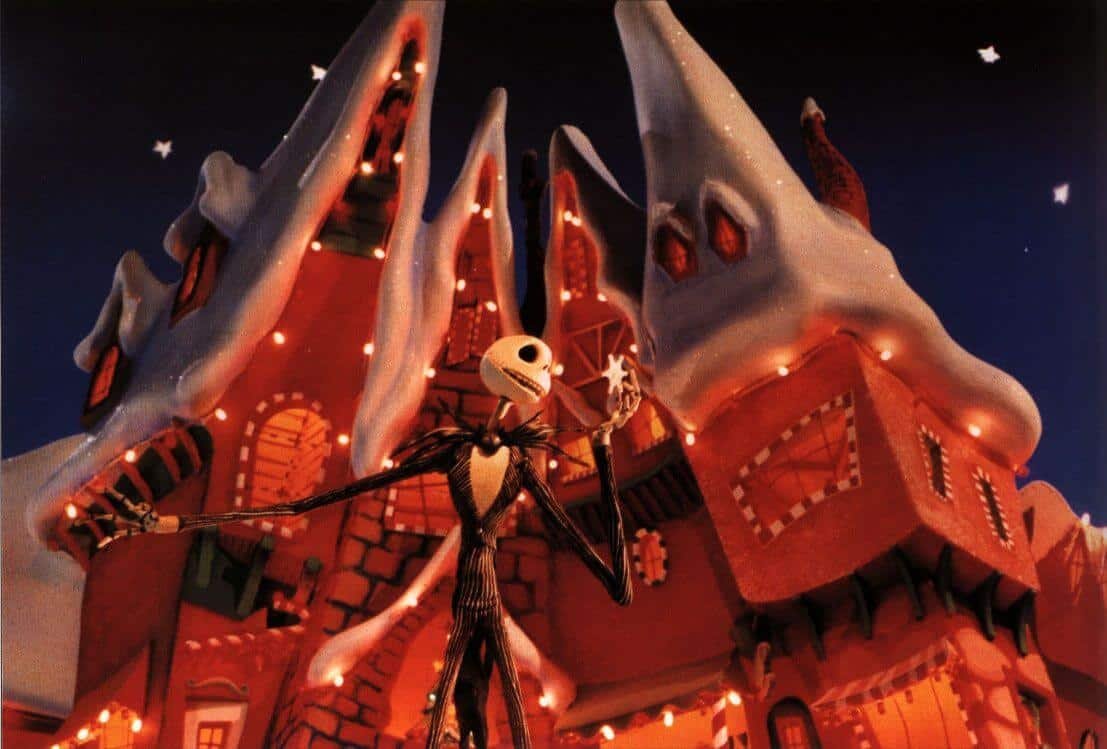
The debate around The Nightmare Before Christmas isn't just a friendly seasonal squabble; it's a deep dive into what defines our favorite holiday films, challenging us to look beyond surface-level aesthetics. Is this beloved stop-motion masterpiece, featuring the Pumpkin King, Jack Skellington, truly a Halloween movie at its core, or does its narrative push it squarely into the Christmas camp? The arguments for its Halloween identity are potent, rooted in its very foundations.
For nearly three decades, viewers have grappled with categorizing this whimsical yet macabre film, a creation from the brilliant mind of Tim Burton and brought to life by director Henry Selick. It’s a film that exists in a captivating liminal space, blurring the lines between joyous celebration and spooky delight.
At a Glance: Unpacking Jack Skellington's True Holiday Identity
- Visually & Thematically Halloween: From its gothic landscapes to its ghastly inhabitants and focus on fear, the film drips with Halloween spirit.
- Opening Act is Pure Halloween: The iconic "This is Halloween" sequence unequivocally celebrates the spooky season.
- Lacks Typical Christmas Pre-ambles: The story starts after Halloween, with its residents already experts in fright, not novices to a new holiday.
- Jack's Core Identity: He is, first and foremost, the Pumpkin King, deeply entwined with Halloween's essence, even if he experiments with Christmas.
- Oogie Boogie's Menace: The film's primary antagonist embodies classic Halloween villainy, a creature of fear and shadow.
- A Cultural Commentary on Halloween: The film celebrates the culture of Halloween Town, showcasing its unique traditions and values.
The Eternal Debate: Where Does The Nightmare Before Christmas Truly Belong?
Every October, as leaves turn and pumpkins appear, the question resurfaces: "Is The Nightmare Before Christmas a Halloween movie?" And just as reliably, come December, the same query, perhaps with a slight inflection, returns. This isn't just about when you watch it; it’s about understanding its narrative DNA, the thematic threads woven into its very fabric.
While some argue forcefully for its Christmas credentials, citing Jack’s ultimate quest to understand and even co-opt the spirit of Christmas, a compelling body of evidence firmly plants this film's primary allegiance in the land of ghouls and goblins.
Case for the Halloween Camp: A Ghastly Good Time
Let’s be clear: The Nightmare Before Christmas isn't just partially a Halloween film. It is fundamentally a Halloween film that explores Christmas. The distinction is crucial. Its identity, its aesthetic, its characters, and its core celebratory spirit are all steeped in the macabre joy of October 31st.
Halloween Town's Ghastly Aesthetic and Inhabitants
From the moment the film opens and we tumble into Halloween Town, there's no mistaking its holiday affiliation. The very architecture—crooked houses, spiraling hills, bare trees—screams gothic horror with a playful twist. This isn't a quaint, snowy village; it's a vibrant, chaotic realm dedicated to fright.
Consider the cast of characters: Jack Skellington, the master of ceremonies; Sally, a rag doll brought to life; Lock, Shock, and Barrel, mischievous trick-or-treaters; and a host of vampires, witches, ghosts, and ghouls. These aren't just background extras; they are the heart and soul of their community, living and breathing the Halloween spirit. Their primary function, their societal structure, and their entire existence revolve around perfecting scares and delights for their annual holiday. This visual and character design isn't incidental; it’s foundational to the film's identity, establishing a world where the spooky is celebrated, not feared.
The Pervasive Themes of the Macabre
Unlike many Christmas movies that focus on themes of warmth, family, and miracles, The Nightmare Before Christmas unapologetically embraces elements of the grotesque and the eerie. While it's not a jump-scare horror film, it delves into themes of fear, mortality (albeit in a stylized way), and the unknown. The residents of Halloween Town derive immense joy from crafting frights. Their songs celebrate shadows, screams, and the thrill of the unexpected.
Even when Jack tries to bring Christmas to Halloween Town, the interpretation is through a macabre lens: severed heads as presents, shrunken heads as ornaments, and skeletal reindeer. This isn’t a gentle subversion; it’s a demonstration of how deeply ingrained the Halloween ethos is within their culture. Their attempts to understand Christmas are always filtered through their existing framework of spooky fun. You can read more about [how films earn their holiday classification] how films earn their holiday classification and you’ll see The Nightmare Before Christmas clearly leans into Halloween’s thematic core.
The Unmistakable Opening Celebration
The film doesn't ease into its world; it plunges you headfirst into the most iconic Halloween celebration ever put to screen. The opening sequence, featuring the unforgettable "This is Halloween" song, serves as a powerful declaration of the movie's primary identity. This isn't merely an introduction to a setting; it's a full-throated anthem for the holiday itself.
We witness the culmination of months of effort by Halloween Town's residents as they revel in their expertly executed scares and frights. This celebratory spectacle establishes Halloween as the zenith of their year, the event around which their entire society revolves. It's a vivid, musical statement that firmly plants the movie's flag in the Halloween season before any mention of Christmas even occurs. This opening isn't just scene-setting; it's world-building that unequivocally defines the cultural landscape we're entering.
The Counter-Argument: A Heartwarming Christmas Core? Not So Fast.
While acknowledging the film’s undeniable Christmas elements – Santa Claus, presents, snow, and a journey of self-discovery – arguing for its primary identity as a Christmas movie often overlooks crucial narrative and thematic nuances. The very presence of Christmas serves as a catalyst for Jack's journey, not necessarily the inherent nature of the film itself.
Narrative Arc Begins Post-Halloween
A critical detail often overlooked is that the film's central narrative actually begins after Halloween has concluded. We find Jack Skellington experiencing a post-holiday ennui, a creative block after another successful Halloween. This isn't a story building up to Halloween; it's a story that stems from the aftermath of Halloween.
This narrative starting point establishes Halloween as an established, successful, and completed event. Jack isn't discovering Halloween; he's lived it to its fullest. His boredom with his current holiday pushes him to seek something new, leading him to Christmas Town. The entire Christmas narrative, therefore, functions as a reaction to, and a reflection upon, his deeply rooted Halloween identity. It's a story about a Halloween character's fascination with Christmas, not a Christmas character's journey.
The Absence of Classic Halloween Scares (and Classic Christmas Warmth)
True, The Nightmare Before Christmas isn't your typical slasher film or psychological horror. It lacks the common Halloween movie themes of immediate danger, trauma, or survival in a traditional sense. Most characters in Halloween Town are portrayed as a culture embracing scary imagery and playful frights, rather than genuinely malevolent fiends (with the notable exception of Oogie Boogie).
However, this doesn't automatically make it a Christmas movie. Instead, it highlights Tim Burton's signature style Tim Burton's signature style—a unique blend of gothic aesthetics with whimsy. Its lack of typical "Halloween scares" doesn't mean it loses its Halloween identity; it simply means it's a different kind of Halloween film, one that celebrates the culture of the macabre rather than the terror of it. Its characters find joy in the spooky, which is a very Halloween sensibility, distinct from the forced cheer or sentimental lessons often found in Christmas films.
Moral & Emotional Resonance: The Spirit of Giving?
Proponents of the "Christmas movie" argument often point to the film's core moral and emotional themes: finding joy in life, sharing, realizing mistakes, cultural coexistence, and prioritizing loved ones over selfish ambitions. These can align with typical holiday films. Jack's journey does lead to an understanding of cultural appreciation and the importance of his own role.
However, the film's unique approach to these themes is what sets it apart. The "joy" is still tinged with darkness; the "sharing" involves terrifying children with presents. The "cultural coexistence" is only truly achieved when Jack returns to his roots. The lessons learned are about self-acceptance and finding meaning within one's own established identity, not about fully converting to another holiday's ethos. It’s about celebrating what makes you unique, which, for Jack, is unequivocally Halloween.
Jack's arc might conclude with a renewed appreciation for his role as the Pumpkin King and an understanding of Christmas's distinct beauty, promoting a message of acceptance and celebration without overwriting cultures. But this outcome doesn't redefine the film itself as a Christmas narrative; it simply means the protagonist grew through encountering Christmas.
The Blended Identity: Why It's Both (And Neither Exclusively)
The most nuanced and, arguably, most accurate perspective is that The Nightmare Before Christmas masterfully blends elements from both holidays, creating a truly unique cinematic experience that defies simple categorization. Its ambiguity is precisely what contributes to its enduring appeal and its power to spark debate every year.
Tim Burton and Henry Selick's Masterful Hybrid
The genius of this film lies in its ability to take disparate elements and fuse them into a cohesive whole. Tim Burton's concept—a character from Halloween Town discovering Christmas—is inherently about the collision and attempted integration of two worlds. Henry Selick's direction, particularly through the meticulous craft of stop-motion animation, the meticulous craft of stop-motion animation visually articulates this blend with unparalleled artistry.
The filmmakers didn't just tell a story; they built an entire universe where the gothic visuals of Halloween Town could exist alongside the sugary sweetness of Christmas Town. This creative intent was to explore the space between the holidays, making the film a commentary on both, rather than solely belonging to one. It showcases the dark charm of Halloween through the eyes of Christmas, and vice-versa, creating a rich tapestry that draws from both traditions without being fully consumed by either.
A Tale of Two Towns: Visual & Narrative Synthesis
The movie presents two distinct worlds: the perpetually spooky Halloween Town and the perpetually joyful Christmas Town. The narrative bridge between them is Jack's journey, making the film a story of cultural exchange and (mis)understanding. The Halloween aspects are undeniable: Jack Skellington as the Pumpkin King, the spooky inhabitants, Oogie Boogie, and the opening sequence celebrating Halloween. These are not merely decorative; they are integral to the plot and character motivations.
Simultaneously, the Christmas aspects are equally critical: Jack's fascination with and misguided attempt to bring Christmas to Halloween Town, the inclusion of traditional Christmas elements like presents and Santa Claus, and an ultimate message that touches on redemption, understanding different cultures, and concluding with feelings of joy and hope (even if Halloween Town's version of joy is a little more sinister). It's this continuous interplay, the tension and harmony between these two holiday identities, that prevents the film from being neatly pigeonholed. If you're pondering [Is Nightmare Before Christmas Halloween?] Is Nightmare Before Christmas Halloween?, understanding this blend is key.
Understanding and Appreciating Unfamiliar Cultures
At its core, The Nightmare Before Christmas is a profound exploration of understanding and appreciating unfamiliar cultures and traditions. Jack Skellington, in his quest for novelty, stumbles upon Christmas Town and is utterly captivated. His initial fascination isn't malicious; it's born of curiosity and a desire to bring new joy to his own community.
However, his efforts highlight the pitfalls of viewing another culture through one's own narrow lens. The Halloween Town residents, with their best intentions, transform Christmas into something terrifying because that is their cultural framework. The film gently, yet firmly, illustrates that true appreciation comes from respecting the integrity of another's traditions, not from co-opting or altering them to fit your own.
The Cautionary Tale of Cultural Appropriation
Perhaps one of the most powerful thematic insights of the film is Jack's initial attempt to "improve" Christmas, which serves as a cautionary tale about cultural appropriation. Jack is genuinely enamored with Christmas, but he misunderstands its essence. He sees the trappings—presents, sleighs, Santa—but misses the spirit of selfless giving, warmth, and peace.
His well-intentioned takeover results in a terrifying parody, causing widespread fear and nearly ruining Christmas for everyone. This segment of the film functions as a stark warning: attempting to adopt or recreate a culture without fully comprehending its underlying values can lead to disastrous, even offensive, outcomes. Ultimately, Jack learns this lesson the hard way, choosing to return to his roots as the Pumpkin King while acknowledging Christmas's unique beauty and importance. He promotes a message of acceptance and celebration of distinct cultural identities rather than a merging or superseding of them.
Beyond the Debate: Why the Ambiguity Endures
The reason we continue to dissect The Nightmare Before Christmas year after year is precisely because it resists easy categorization. It's not a bug; it's a feature.
A Film for All Seasons (and Reasons)
Because the movie so deftly weaves both holidays into its fabric, it transcends the typical seasonal viewing window. It's a perfect transitional film, bridging the gap between October and December. For those who love the spooky but also appreciate a heartwarming tale, it offers the best of both worlds. This dual nature allows it to be celebrated by different audiences for different reasons: some for its dark aesthetic, others for its eventual message of hope and self-discovery.
Its timeless appeal also comes from its exploration of universal themes: the desire for change, the search for identity, the excitement of discovery, and the importance of finding joy in one's own unique path. These themes resonate year-round, making the film a perennial favorite that isn't confined to a single holiday.
The Enduring Legacy of Stop-Motion Magic
Beyond the holiday debate, the film's technical brilliance contributes significantly to its lasting power. The artistry of stop-motion animation gives the film a tangible, handcrafted feel that is both eerie and charming. Every frame is a testament to immense dedication and artistic vision, creating characters and worlds that feel alive and uniquely expressive.
This tangible quality enhances the fantastical elements, making Halloween Town and Christmas Town feel like places you could actually visit, even with their exaggerated, dreamlike qualities. This artistic integrity ensures the film remains fresh and captivating, regardless of the seasonal argument. It's a triumph of animated storytelling that transcends its subject matter.
Your Viewing Guide: Embracing the Holiday Spectrum
So, how should you approach The Nightmare Before Christmas? The beauty is, you don't have to pick a side.
When to Watch: A Dual-Holiday Delight
Many purists will argue for specific viewing dates. Halloween fanatics will say October, embracing its spooky aesthetic. Christmas enthusiasts will argue December, focusing on Jack's journey to understand the holiday spirit. The truth? It's a perfect film for both seasons, and especially for the transition period between late October and early December.
Think of it as the ultimate "shoulder season" movie. It offers the perfect bridge from the darker, more playful side of autumn into the more reflective, joyful period of winter. Watching it around Halloween lets you savor its macabre charm, while viewing it closer to Christmas allows for a deeper appreciation of Jack's growth and the film's ultimate message of understanding.
Identifying the "Mood" You're After
Your choice of viewing time might simply depend on your mood.
- For spooky fun: If you're craving gothic visuals, playful monsters, and catchy, dark anthems, pop it on in October. You'll appreciate its celebration of all things ghastly and glorious.
- For heartwarming reflection (with a twist): If you're looking for a story about self-discovery, cultural appreciation, and finding genuine joy, it works equally well in December. Focus on Jack's attempts to bring happiness and his eventual realization of his own unique purpose.
Common Misconceptions Debunked
Let's clear up a few lingering myths:
- "It's just a kids' movie." While visually appealing to children, the film explores complex themes of identity, cultural appropriation, and the melancholy of creative boredom. It has layers that resonate deeply with adults.
- "It's too scary for Christmas / too sweet for Halloween." This very tension is the film's strength. It's not strictly one or the other. It offers a unique blend that challenges genre conventions, proving that "scary" can be fun and "sweet" can have a dark edge. The film’s antagonist, [the folklore behind the Oogie Boogie Man] the folklore behind the Oogie Boogie Man, is a genuinely frightening character, adding real stakes to the Halloween side of the equation.
- "Tim Burton directed it." While his vision conceived it, Henry Selick masterfully directed the film. Burton produced and designed the characters, but Selick was at the helm, bringing the stop-motion magic to life.
The Final Word on Jack Skellington's Holiday Legacy
Ultimately, the debate over The Nightmare Before Christmas's holiday identity isn't about finding a single, definitive answer. It's about appreciating the film's profound ability to exist in a space that defies easy labels. It's a testament to its creative brilliance that it can simultaneously embody the spirit of Halloween—with its celebration of the macabre, its unique monsters, and its gothic charm—while also engaging deeply with the themes of Christmas—discovery, cultural understanding, and the pursuit of joy.
Jack Skellington's journey reminds us that sometimes the most fulfilling path is not to become something new entirely, but to rediscover and embrace the uniqueness of who you already are, while still appreciating the beauty in others. So, whether you consider it a Halloween classic, a Christmas staple, or a brilliant hybrid, one thing is certain: The Nightmare Before Christmas is a cinematic treasure that deserves to be enjoyed whenever the mood for a little spooky cheer strikes you.