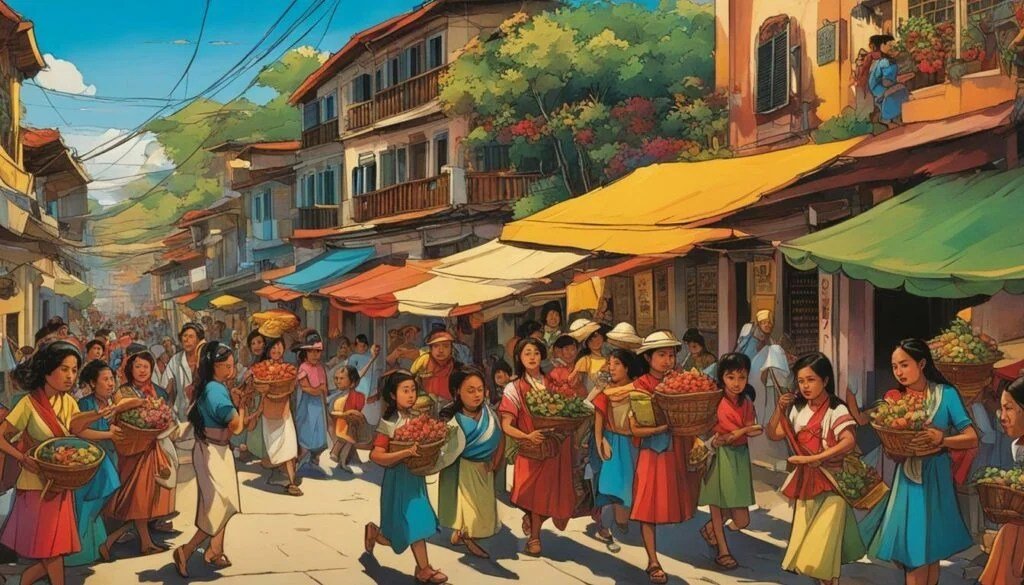
The world slows down, if only for a moment. Whether it's the quiet contemplation of a sacred day or the boisterous joy of a public festival, holidays are anchors in the relentless current of time. They shape who we are, bind us together, and profoundly influence both our individual lives and collective societies. This isn't merely about taking a day off; it's about the cultural impact and legacy: how it influenced both holidays—transforming ancient rites into modern celebrations and infusing our calendars with meaning, memory, and shared identity.
From the dawn of civilization, humans have marked time with special occasions, reflecting their deepest beliefs, hopes, and societal structures. These celebrations aren't static; they evolve, absorb new influences, and leave an indelible mark on everything from our daily rituals to global economies.
At a Glance: Understanding the Enduring Influence of Holidays
- Ancient Roots, Modern Echoes: Holidays began as responses to nature, evolving into religious observances, and eventually secular civic events.
- More Than Just a Day Off: They are vital for mental well-being, fostering community, and expressing cultural identity.
- A Tapestry of Types: Holidays span cultural, religious, public, and personal categories, each contributing to a rich collective narrative.
- Economic Drivers: From tourism surges to real estate trends, holidays fuel local and global economies.
- Adapting to Change: Global events and technological advancements continuously reshape how we celebrate and what those celebrations mean.
- The Future is Fluid: Traditions are constantly evolving, driven by changing values, sustainability concerns, and innovative digital experiences.
The Deep Rhythms: How Ancient Roots Still Shape Our Celebrations
Long before official calendars or state-sanctioned days off, humans observed holidays in harmony with nature. Early societies, deeply reliant on agricultural cycles, celebrated harvests, solstices, and the changing seasons. Think of ancient Egyptians honoring the Nile's life-giving floods, or agrarian communities across the globe marking planting and reaping with feasts and rituals. These practices weren't just about survival; they were about reverence, community solidarity, and making sense of the world.
As societies grew more complex, religious practices became the bedrock of many holidays. In the Middle Ages, Christian observances like Easter and Christmas dominated the European calendar, their rituals dictating everything from daily prayers to communal gatherings. Similarly, Diwali for Hindus, Eid al-Fitr for Muslims, and Hanukkah for Jews solidified community identity through shared beliefs and practices. These deeply rooted traditions provided comfort, guidance, and a framework for cultural expression.
But the story doesn't end there. The Enlightenment brought secular values into play, leading to holidays celebrating state events or social movements. Suddenly, national independence days or commemorations of pivotal historical moments began to emerge, often drawing on the existing human need for collective observance and celebration. The legacy of these ancient and religious practices didn't disappear; it often reshaped, influencing the way secular holidays were structured—with parades, special foods, and communal gatherings echoing older forms of celebration.
A Diverse Tapestry: Understanding Holiday Categories and Their Interplay
Holidays are not a monolith. They come in various forms, each serving distinct purposes while often influencing and borrowing from one another. Understanding these categories helps us appreciate the intricate cultural impact at play.
Cultural Holidays: Threads of Identity
These celebrations bind specific communities or nations through shared traditions, history, or heritage. Think of the Lunar New Year, celebrated across East Asia with family gatherings, special foods, and symbolic rituals for good fortune. Or Thanksgiving in the USA, a national holiday rooted in a historical harvest feast, evolving to become a time for gratitude and family reunion. These holidays are powerful expressions of collective identity, fostering a sense of belonging and passing on customs from one generation to the next. They often dictate specific culinary practices, artistic expressions, and forms of storytelling.
Religious Holidays: Sacred Time, Shared Beliefs
Deeply rooted in spiritual beliefs and rituals, religious holidays are central to billions worldwide. Easter for Christians, Diwali for Hindus, Ramadan and Eid al-Fitr for Muslims—these observances involve specific prayers, fasting, feasts, and ceremonies. They shape lifestyles, influence moral codes, and often dictate travel patterns, impacting local tourism economies. For instance, pilgrimages during religious festivals can transform entire regions into bustling hubs of activity and devotion.
Secular Holidays: Civic Pride and Collective Memory
These holidays often commemorate state events, historical milestones, or social movements. Independence Day in the USA, Australia Day, or Labor Day are prime examples. They foster national identity, encourage civic engagement, and provide a collective moment for reflection on shared values and history. While not religious, many secular holidays adopt customs seen in religious ones—parades, public gatherings, special foods, and a general sense of communal festivity, showing how older forms of celebration influence new ones.
Public Holidays: Legally Designated Time Off
Public holidays are those officially designated by law, granting widely recognized days off from work or school. They often overlap with religious, cultural, or secular holidays but are distinguished by their legal status. For real estate investors, public holidays often increase demand for vacation rentals in tourist areas, as people use their mandated time off for travel. This highlights how a societal decision (a day off) can directly impact economic trends, driven by the underlying cultural desire to celebrate or relax.
Personal Holidays: Milestones and Well-being
Beyond collective celebrations, individuals choose to mark personal milestones like birthdays, anniversaries, or special achievements. These "personal holidays" are crucial for individual happiness, reinforcing relationships, and providing respite. They foster mental well-being and offer a sense of personal narrative. The desire to celebrate these moments can also drive economic activity, from booking a special dinner to increasing demand for vacation homes in areas suitable for such intimate celebrations. The cultural value placed on marking these personal milestones often dictates how lavishly or intimately they are celebrated.
The Human Element: How Holidays Forge Bonds and Boost Well-being
Holidays aren't just about tradition; they're deeply intertwined with our psychological and social needs. They offer profound mental health advantages and are powerful tools for building community.
A Mental Reset: Rejuvenating Mind and Spirit
Taking time off during holidays offers significant mental health benefits. It fosters creativity, rejuvenates energy, enhances life satisfaction, and acts as a crucial mental reset. Regular vacations, often enabled by public or personal holidays, have even been linked to reduced heart disease risk due to lower stress levels. These periods provide much-needed detachment from daily pressures, enhance social connections, and encourage mindfulness, allowing us to return to our routines with renewed vigor. The cultural practice of celebrating provides an approved break from the grind, validating the need for rest and joy.
For those looking to ensure they're cultivating a healthier work-life balance, leveraging holiday periods is key. These designated breaks create essential buffers between personal and professional lives, preventing burnout, enhancing focus, and ultimately boosting productivity. Employees who regularly take their vacations are often found to perform better, demonstrating the clear link between leisure and professional success.
Forging Community Bonds and Cultural Exchange
Holidays are unparalleled in their ability to forge community bonds and create communal identities. Whether it's the vibrant street parades of Carnival in Brazil, the shared meals of Thanksgiving, or the illuminating lamps of Diwali in India, these events bring people together. They facilitate cultural exchange, leading to flourishing art, music, food, and shared narratives. When communities host festivals celebrating multiple cultures, it often leads to new traditions, showcasing the dynamic nature of cultural impact.
Consider the ongoing debate around holidays like Halloween and Christmas, especially with popular culture crossover. Is a movie like Nightmare Before Christmas: Halloween or Christmas? a holiday film for one or both? Such discussions highlight how cultural products can bridge and blend holiday themes, appealing to broader audiences and showing the evolving nature of celebration.
Holidays as Economic and Social Drivers
Beyond their cultural and psychological benefits, holidays exert a tangible influence on economies and social trends. They're not just dates on a calendar; they're engines of commerce and catalysts for social change.
Invigorating Local Economies
Holidays, especially public and religious ones, are a significant boon for local economies. They fuel tourism, increase retail sales, and boost the hospitality sector. Destinations that promote unique cultural experiences—like vineyard tours in Tuscany during harvest festivals or safaris in Kenya around cultural celebrations—see a direct economic uplift. This economic impact, in turn, allows for the preservation and promotion of the very cultural traditions that draw visitors, creating a virtuous cycle.
Understanding how holidays drive consumer behavior can be crucial, particularly when mastering your holiday budget as a traveler, or for businesses seeking to capitalize on peak spending seasons. This spending isn't just limited to travel; it extends to gifts, decorations, special foods, and entertainment, all of which contribute significantly to the economy.
The Real Estate Ripple Effect
Holidays profoundly affect the real estate market, particularly in popular tourist destinations.
- Investment Opportunities: Regions that consistently attract holiday travelers often see rising property values, presenting attractive investment opportunities. Acquiring seasonal properties—like beach houses or mountain cabins—for rental income during peak holiday seasons can be a lucrative strategy. These properties cater directly to the cultural desire for holiday getaways.
- Vacation vs. Long-Term Rentals: The choice between vacation rentals and long-term rentals often hinges on holiday patterns. Vacation rentals offer flexibility in pricing and higher income potential during peak holiday times, aligning with traveler demand. Long-term rentals provide stable, predictable cash flow year-round. Investor goals and the specific cultural context of a location largely dictate this choice.
- Market Reactions: The real estate market is highly sensitive to demand during holiday seasons. Increased demand often leads to higher price ranges for short-term rentals. Consumer behavior during these times can also be influenced psychologically, leading to rushes to close deals before or after major holidays. Technology, specifically online booking platforms, continues to influence market predictions and alter traditional rental paradigms, making it easier for property owners to capitalize on holiday demand.
Adapting to a Changing World: Global Events and Cultural Shifts
Holidays are not immune to the forces of global change. Pandemics, economic downturns, and geopolitical shifts profoundly reshape how we celebrate, influencing cultural expressions, travel plans, and social interactions.
The Pandemic's Cultural Reset
The COVID-19 pandemic forced a global rethinking of celebrations. Travel restrictions and health concerns led to a surge in virtual gatherings, local experiences (staycations), and significant shifts in the hospitality and tourism sectors. Culturally, this meant adapting age-old traditions to new digital realities—virtual family dinners, online religious services, and socially distanced public events. This period highlighted the resilience and adaptability of human celebratory practices, showing how quickly cultural norms can shift in response to external pressures. Demand for privacy and self-contained vacation rentals, for example, saw an uptick, directly influencing real estate trends in holiday destinations like Bali.
Economic Shifts: Redefining Luxury and Necessity
During times of economic instability, individuals tighten their wallets, impacting travel budgets and luxury expenditures. This often steers people towards staycations or more budget-friendly excursions, affecting vacation real estate with increased demand for lower-cost options. Culturally, this means a shift towards simpler celebrations, a renewed focus on local community, and perhaps a deeper appreciation for less extravagant forms of festivity. Investors wisely monitor economic indicators to predict these shifts in holiday-driven demand. The collective experience of scarcity can subtly reshape what a "good holiday" means to a culture.
Geopolitical Tensions: Shifting Horizons
Conflicts, travel restrictions, and even environmental policies can force changes in holiday plans and destinations. Travelers may seek safer alternatives, exploring off-the-beaten-path destinations, which in turn opens new markets for tourism and real estate investment. These shifts can also lead to an increased focus on local tourism, strengthening regional economies. The cultural impact here is significant: global events can redirect our gaze inwards, fostering a deeper appreciation for domestic landscapes and local traditions, or encouraging a more adventurous spirit towards lesser-known locales. This is also a factor when considering boosting local economies through tourism.
The Future of Festive Traditions: Evolving Values and New Horizons
Holidays are dynamic, reflecting the evolving societal norms, economic considerations, and technological advancements of our time. Their future promises continued adaptation and innovation.
Adapting to Changing Values
Younger generations often have different expectations for celebrations, leading to new methods of observance. There's a growing focus on inclusivity, shared experiences, and authenticity over rigid adherence to old forms. Economic conditions continue to impact travel plans and spending, steering choices towards sustainability or more experiential value. Culturally, this means traditions are becoming more fluid, embracing multicultural meals or varied celebration styles for holidays like Diwali across the globe.
Technology's Role in Connection and Experience
Technology is reshaping how people connect and experience festivities. Online platforms, mobile apps, and social media facilitate planning, connection, and even participation. Video calls allow families to connect across continents, while event planning apps streamline logistics. Virtual reality offers immersive holiday experiences for those unable to travel, potentially transforming how we "visit" historical sites or participate in festivals from afar. Properties equipped with smart home features are increasingly desirable for holiday-goers, offering convenience and enhanced experiences, showing how technology is shaping future celebrations.
The Rise of Sustainable Celebrations
With growing awareness of climate change, there's an increasing focus on the environmental impact of holidays. This leads to cultural shifts like choosing eco-friendly decorations, prioritizing local tourism to reduce carbon footprints, and adopting sustainable travel methods. Many travelers now actively seek destinations promoting sustainability (like Iceland) or B Corporation certified lodges, highlighting the rise of sustainable travel. Real estate developers are responding by prioritizing sustainability in vacation rentals, designing energy-efficient homes, and using sustainable materials, further cementing the link between cultural values and tangible market trends.
Embracing the Evolving Tapestry of Celebration
Holidays, in all their forms—cultural, religious, public, and personal—are far more than simple calendar dates. They are living, breathing expressions of human experience, constantly shaped by our past, our present circumstances, and our evolving aspirations. From the ancient agricultural cycles that first taught us to mark time to the digital innovations that now connect us across continents, the cultural impact and legacy of holidays have profoundly influenced how we celebrate, commune, and define ourselves.
As you plan your next celebration or embark on a holiday journey, remember that you're participating in a rich, ongoing narrative. Each choice, each shared meal, each moment of reflection contributes to the ever-unfolding story of human connection and cultural expression. These traditions, while steeped in history, are always looking forward, adapting, and finding new ways to bring meaning and joy into our lives.