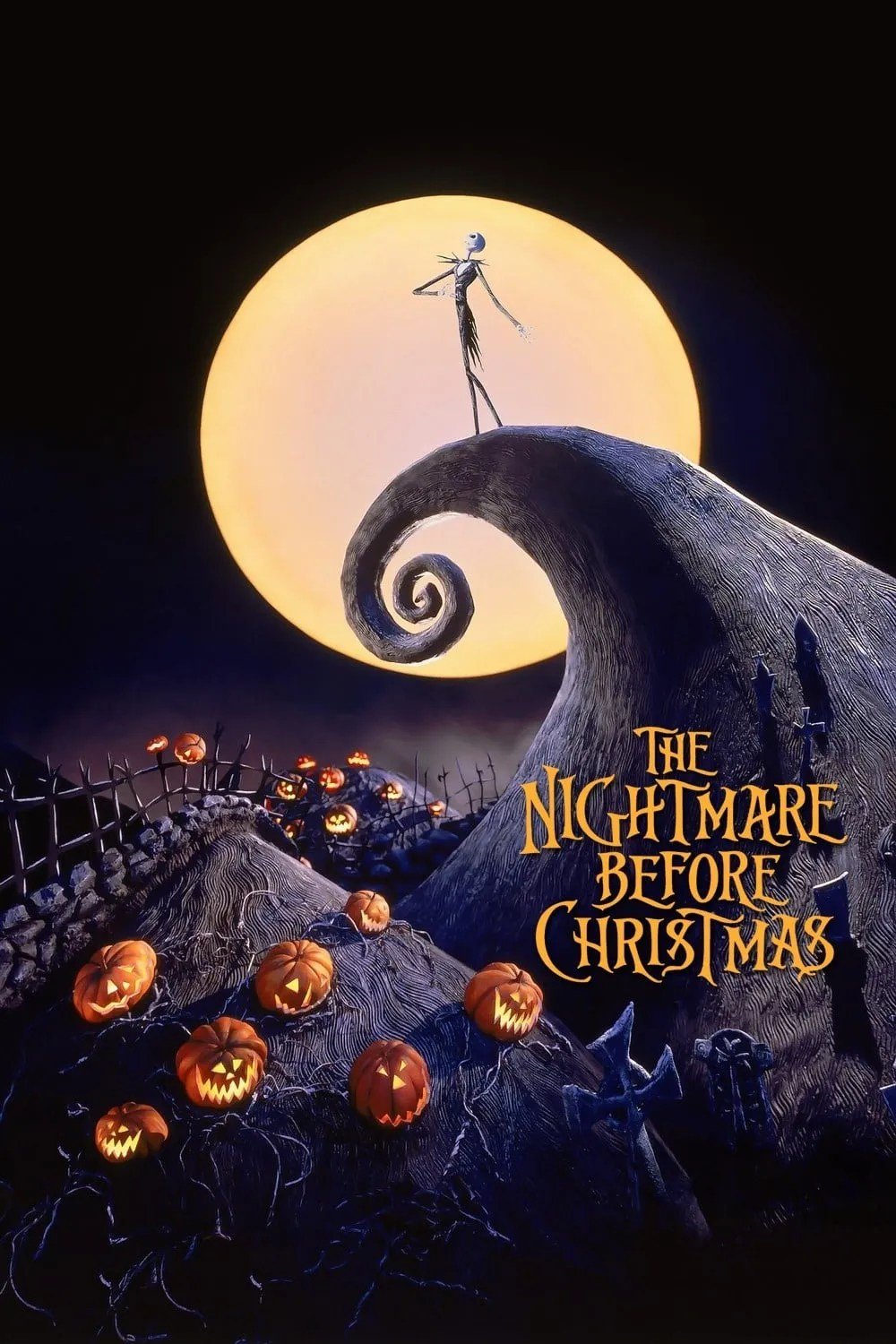
Few films spark as much delightful debate as "The Nightmare Before Christmas." Is it a spooky Halloween classic, or a heartwarming Christmas tale? For decades, fans have passionately argued both sides, with strong points for each. What makes this 1993 stop-motion marvel so captivating is precisely its ability to embody the spirit of two beloved holidays at once.
At its core, the film introduces us to Jack Skellington, the Pumpkin King of Halloween Town, who stumbles upon Christmas Town and becomes utterly enchanted. His well-intentioned, albeit misguided, attempt to put his own spin on Christmas creates a truly unique narrative. But where does its true allegiance lie? Let's dive into the perspectives from the very creators who brought this masterpiece to life, and explore why this question resonates so deeply with audiences.
Unpacking the Great Holiday Debate
The conundrum over "The Nightmare Before Christmas" isn't just fan speculation; it's a question that even the film's key creative talents have weighed in on, sometimes with evolving opinions. This rich complexity is what makes the discussion so fascinating, inviting us to explore the film's layers rather than settle for a single label. Ultimately, its dual nature might be its greatest strength.
The Case for "This Is Halloween"
Many steadfastly believe "The Nightmare Before Christmas" is unequivocally a Halloween movie, and they have solid points. The film's entire aesthetic, from its gothic charm to its cast of ghoulish characters, screams spooky season. It was released on October 29th, aligning perfectly with pre-Halloween festivities, and the iconic song "This Is Halloween" serves as the unofficial anthem for countless fans marking the start of their spooky celebrations.
Even the film's composer and legendary musician, Danny Elfman, leaned into this perspective. In a 2019 interview, Elfman declared, "It's obviously about Christmas, but for me, it's a Halloween movie." He spoke of his personal connection to Jack Skellington's plight and a deep affinity for Halloween stemming from his own experiences. Director Henry Selick, in an earlier 2015 statement at the Colorado Telluride Horror Show, also previously classified it as a Halloween film. For a deeper look into these perspectives and more, you'll want to Read Nightmares Halloween arguments.
Why It Might Be a Christmas Story After All
On the flip side, a compelling argument exists for "The Nightmare Before Christmas" being, at its heart, a Christmas movie. Director Henry Selick himself, in a more recent 2024 interview, stated precisely this, clarifying that "at its heart is a Christmas movie." He elaborated that the film's core plot, major turning points, and ultimate climax all revolve around the Christmas holiday. From Jack's mission to rescue Santa Claus to replacing scary gifts with appropriate ones, and ultimately bringing snow to Halloween Town, Jack's entire character arc is driven by an earnest, if initially misguided, embrace of the Christmas spirit.
Selick also pointed to the film's undeniable cultural impact on Christmas marketing, often appearing on shelves and in ads well before Halloween itself. The essence of the story, with a protagonist learning the true meaning of a holiday, aligns perfectly with classic Christmas narratives. If you're curious about the strong evidence supporting this viewpoint, we've got you covered: Why Nightmare is a Christmas movie.
Tim Burton's Original Spark and Evolving Interpretations
The initial concept for "The Nightmare Before Christmas" came from Tim Burton, who famously combined the distinct aesthetics and spirits of Halloween and Christmas. His vision was to tell a story about Jack, the Pumpkin King, a well-intentioned character who, despite his spooky origins, yearns for something more and attempts to take over Christmas. This blend of two seemingly disparate worlds was central to the film's unique charm from its very inception.
Understanding Burton's foundational idea helps contextualize why the film feels so balanced between the two holidays. It wasn't designed to be exclusively one or the other, but a bridge between them. The fact that creators' opinions can shift or be interpreted differently over time only adds to the film's rich legacy. To delve deeper into the genesis of this extraordinary film and its initial blueprint, explore Tim Burtons Creative Intent and the vision that started it all.
Gothic Charm Meets Holiday Spirit: A Thematic Deep Dive
Beyond the creator's statements, the film's very fabric is woven with elements of both holidays. Halloween Town is a masterclass in gothic aesthetics, filled with shadows, gravestones, and delightfully eerie characters. The entire visual style, from character design to set pieces, speaks to a celebration of the macabre and spooky. This is where the film earns its reputation as a Halloween staple.
However, the thematic journey of Jack Skellington — his curiosity, his desire to understand and bring joy, and his eventual realization of the true spirit of Christmas — imbues the film with a profound holiday message. It explores themes of self-discovery, identity, and the importance of allowing others to celebrate in their own way. To fully appreciate this intricate dance between creepy visuals and heartfelt narrative, discover more in our Thematic Analysis: Gothic Aesthetics vs Holiday Spirit exploration.
How Audiences Shape the Tradition
Ultimately, how a film is received and integrated into cultural traditions often solidifies its status. "The Nightmare Before Christmas" has transcended its initial release to become a genuine holiday phenomenon. Many families and individuals now consider it essential viewing for both Halloween and Christmas, creating a unique tradition of watching it twice a year. Its unique position allows it to be enjoyed during the "spooky season" of October and then again as the "festive season" of December rolls around.
This dual-holiday viewing habit speaks volumes about the film's enduring appeal and its ability to resonate with different audiences at different times. Whether it's the kick-off to Halloween or an early dose of Christmas cheer, audience reception has firmly cemented its place in both holiday canons. Learn more about how fans have embraced this unique duality and shaped its legacy in Audience Reception, Viewing Habits, and Holiday Traditions.
The Enduring Magic of Duality
So, is "The Nightmare Before Christmas" a Halloween movie or a Christmas movie? The most satisfying answer might just be: it’s both. The beauty of this film lies in its seamless blend, offering the best of both worlds. Its spooky charm is perfect for October, while its heartwarming narrative of discovering the true meaning of a holiday makes it equally perfect for December.
Instead of trying to fit it into a single box, perhaps the real magic is in appreciating its duality. It’s a testament to creative vision that a film can evoke such strong feelings for two distinct holidays, inviting us to celebrate the unique intersection where pumpkins meet presents, and frights meet festivities. The debate isn't about finding a definitive answer, but about celebrating the film's rich, multifaceted legacy that continues to enchant generations.