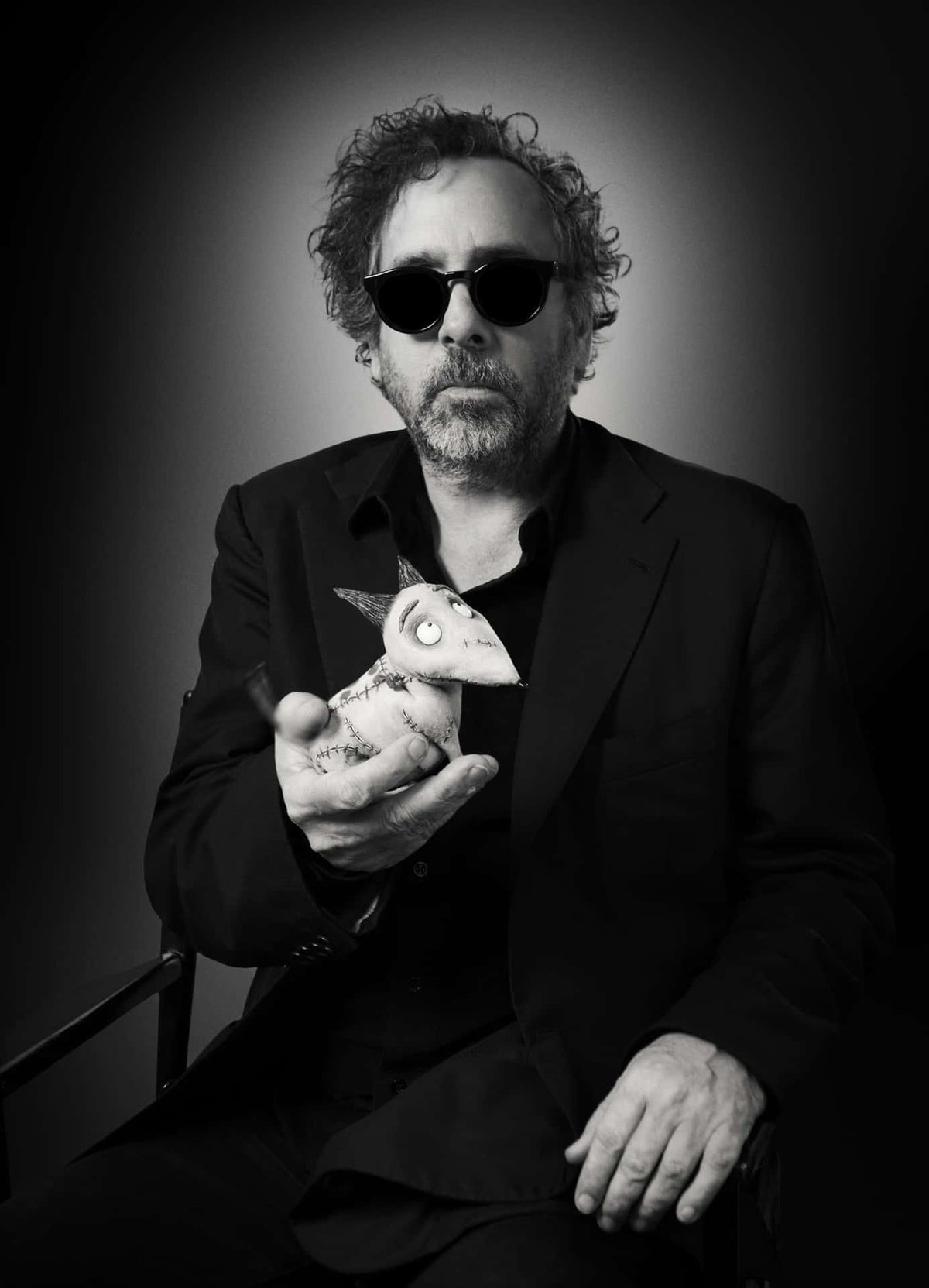
What makes a filmmaker instantly recognizable, even with a single frame? For Tim Burton, it’s a signature blend of the fantastical, the forlorn, and the frighteningly beautiful. To truly understand Tim Burton's Creative Intent and Original Vision, you need to step into a world where the peculiar is paramount, where shadows dance with whimsy, and where the heart of the outsider beats strongest. He doesn't just tell stories; he crafts entire universes, each meticulously designed to evoke a very specific feeling that lingers long after the credits roll.
His is a vision born from a unique perspective, shaped by a childhood that perhaps didn't quite fit the cookie-cutter suburbs of Burbank, California. It's this singular lens that has allowed him to redefine cinematic storytelling, inviting us to celebrate the oddities and find beauty in the unconventional.
At a Glance: Understanding the Burtonesque Universe
- Distinctive Visuals: A signature blend of gothic aesthetics, surreal imagery, and exaggerated forms. Think twisted trees, sprawling cemeteries, and vibrant details against a somber backdrop.
- Iconic Characters: Memorable outsiders, often misunderstood, who navigate strange worlds with a poignant innocence or a mischievous gleam.
- Recurring Themes: A deep exploration of isolation, otherness, the clash between childhood wonder and adult reality, and the search for acceptance.
- Masterful Storytelling: Employing non-linear narratives and rich symbolism to create fables that resonate on a deeper, often emotional, level.
- Collaborative Genius: His vision is amplified by long-standing partnerships with artists like composer Danny Elfman and costume designer Colleen Atwood, creating a cohesive, immersive experience.
- Cultural Impact: Redefining genres by seamlessly blending fantasy, horror, and dark comedy, inspiring countless artists and filmmakers worldwide.
The Boy from Burbank Who Dreamed in Gothic
Every artist has a wellspring, a foundational set of experiences and fascinations that inform their craft. For Tim Burton, this wellspring bubbled up in the seemingly mundane landscape of Burbank, California, a suburban sprawl that perhaps felt too ordinary for a mind inclined toward the macabre. His early influences painted a vivid picture: the comforting chill of classic horror films, the boundless imagination of animation, and the rich narratives of literature. These weren't just pastimes; they were the building blocks for a worldview steeped in the peculiar.
Burton’s journey saw him honing his skills at the California Institute of the Arts (CalArts), a crucible for creative talent. It was here that he began translating his internal world into tangible art. His early works, like the haunting stop-motion short film "Vincent," offered a clear preview of the visual language and thematic concerns that would define his career. Even in these nascent stages, the seeds of his distinct gothic aesthetic and a keen empathy for the misunderstood were evident. His formative contributions to projects like "The Nightmare Before Christmas" further cemented his unique talent, showcasing an ability to craft worlds that are both wonderfully whimsical and subtly unsettling.
Decoding Burton's Visual Lexicon: Where Whimsy Meets Macabre
Tim Burton's films are not merely seen; they are experienced. His visual language is arguably the most recognizable aspect of his creative intent, a carefully constructed aesthetic that blends the beautiful with the bizarre, the charming with the chilling. It’s a deliberate choice, designed to transport you to a reality just slightly askew from our own.
Gothic Grandeur and Surreal Splendor
Step into a Tim Burton film, and you're immediately immersed in a world defined by gothic aesthetics. Think sprawling, macabre landscapes shrouded in mist, ancient, twisted trees reaching like skeletal fingers, and eerie atmospheres that hum with an unspoken tension. From the shadowy, imposing architecture of Gotham City in Batman to the decrepit, haunted woods of Sleepy Hollow, every setting serves as a character in itself, imbued with a melancholic beauty.
But Burton’s vision extends beyond mere darkness. He masterfully employs surreal imagery, blurring the lines between fantasy and reality. His worlds are often hyper-stylized, with exaggerated forms and fantastical elements that challenge conventional perceptions. This stylistic choice draws heavily from influences like German Expressionism, evident in distorted perspectives and dramatic lighting that emphasize emotion over realism. It's a world where the fantastical isn't just an escape but an inherent part of the truth, where the vibrant colors of a fantastical creature can exist alongside the muted tones of a haunted mansion.
The Art of Character Design: Icons of the Peculiar
Beyond the landscapes, Burton is a true maestro of character design. His creations are instantly iconic, often embodying the very essence of isolation and otherness. Consider the delicate, dangerous beauty of Edward Scissorhands, a figure both terrifying and deeply empathetic. Or the chaotic, irreverent energy of Beetlejuice, a ghost who revels in the grotesque. And of course, Jack Skellington, the Pumpkin King whose lanky elegance and existential yearning are unforgettable.
These characters are more than just roles; they are archetypes. Burton gives them exaggerated forms and distinctive silhouettes that speak volumes before they even utter a word. Their appearances often reflect their inner lives, a visual shorthand for their unique position within their respective narratives. This meticulous attention to design ensures that each character is not only visually striking but also deeply ingrained in the audience's imagination.
A Palette of Contrasts: Light, Shadow, and Unexpected Hues
One of the most potent tools in Burton's visual arsenal is his use of color—or the deliberate lack thereof. He frequently juxtaposes vibrant, almost candy-colored hues with dark, often monochrome themes. Think of the bright, artificial colors of the suburban neighborhood in Edward Scissorhands contrasting sharply with Edward’s dark, almost monochrome appearance, or the shocking reds of blood against the desaturated palette of Sweeney Todd.
This isn't just an aesthetic choice; it's a symbolic one. The vivid colors often represent a false cheerfulness or a superficial world, while the darker tones convey the underlying emotion, the hidden turmoil, or the genuine spirit of his characters. It’s a visual language that constantly plays with the audience's expectations, using color to highlight thematic tensions and deepen emotional impact.
The Masterful Mise-en-Scène and Mise-en-Shot
Burton’s creative intent is meticulously executed through sophisticated filmmaking techniques, notably mise-en-scène and mise-en-shot.
- Mise-en-scène refers to everything placed within the frame—the sets, props, costumes, lighting, and even the actors' blocking. Burton uses this to create highly immersive and symbolic environments. Consider the overwhelming, vibrant, and almost sickly sweet designs of the Chocolate Factory in Charlie and the Chocolate Factory. Every oversized prop, every swirling color, every peculiar Oompa Loompa costume contributes to Willy Wonka’s insular, eccentric world, reflecting his own playful yet deeply guarded personality. The exaggerated sets and costumes aren't just for show; they build an entire mood and narrative context.
- Mise-en-shot focuses on the specific elements within a single shot—camera angles, movement, and framing. Burton frequently uses close-ups of characters like Edward Scissorhands to emphasize his isolation, highlighting his unique hands and the emotional vulnerability in his eyes. Conversely, wide shots contrasting Edward within a conventional suburban setting starkly emphasize his outsider status, making him a solitary, almost alien figure against a backdrop of conformity. These precise choices guide the viewer’s eye and emotional response, ensuring that the visual storytelling is as powerful as the narrative itself.
The Narratives of the Outsider: Exploring Burton's Recurring Themes
Beneath the gothic grandeur and whimsical surfaces, Tim Burton’s films consistently explore a profound set of themes that resonate deeply with audiences. His narratives often function as modern fables, gently (or not so gently) prodding at societal norms and celebrating the marginalized.
Isolation and the Beauty of Otherness
If there’s one recurring motif that defines Tim Burton's creative intent, it's the exploration of isolation and the inherent beauty of being an "other." His protagonists are almost always outsiders, characters who don't fit into the conventional molds of society. Edward Scissorhands, with his unique hands and gentle soul, is the quintessential Burtonesque outsider, yearning for connection but inadvertently causing fear. Willy Wonka in Charlie and the Chocolate Factory is a recluse, brilliant yet socially awkward, creating an elaborate world to escape his own past. Even Beetlejuice, a chaotic entity, is an outsider within the realm of the dead, eager to re-engage with the living on his own terms.
These characters’ journeys are often about finding acceptance, not by changing who they are, but by finding their place or by being accepted for their peculiarities. Burton’s narratives frequently employ non-linear and surreal structures, mirroring the often disjointed and dreamlike experience of feeling different. This approach allows him to delve into complex emotional states, making his fantastical worlds feel remarkably human.
Childhood Innocence Meets Adult Complexities
Another powerful theme woven throughout Burton’s filmography is the poignant juxtaposition of childhood innocence with the often harsh, complex realities of adulthood. Many of his films feature child protagonists or characters who retain a childlike wonder in an adult world, facing loss, disillusionment, or moral dilemmas. Think of Victor in Corpse Bride, a nervous groom thrown into an unexpected afterlife, or the sheer, unspoiled optimism of Charlie Bucket navigating the wonders and temptations of Wonka's factory.
Burton often uses this theme to critique societal structures that crush creativity or individuality. He highlights the magic and purity of early life, often contrasted with the cynicism, hypocrisy, or strictures of the adult world. This creates a powerful emotional core, reminding us of the importance of imagination and empathy.
Fables, Folklore, and Literary Roots
Burton's storytelling is also deeply rooted in classic fables, folklore, and literature. His inspirations are broad and rich, drawing from the darkly imaginative worlds of Roald Dahl (evidenced in Charlie and the Chocolate Factory) and the nonsensical whimsy of Lewis Carroll (Alice in Wonderland). Beyond literature, artists like Edward Gorey, with his macabre humor and intricate illustrations, and the fantastical worlds of Dr. Seuss, clearly influenced his visual and narrative style. These diverse sources allow Burton to craft stories that feel timeless, universal, yet utterly unique. He reinterprets these influences through his own specific lens, creating new myths for modern audiences.
The Symphony of Collaboration: Bringing the Vision to Life
A singular creative intent often finds its fullest expression through profound collaboration. Tim Burton is a prime example of an auteur whose vision is magnified and made tangible by a core group of artistic partners. These aren't just colleagues; they are extensions of his creative mind, translating his abstract ideas into concrete cinematic reality.
The Unmistakable Score of Danny Elfman
Perhaps the most iconic of Burton's collaborations is with composer Danny Elfman. Elfman's scores are as integral to the "Burtonesque" experience as the visuals themselves. His music is often described as whimsical, gothic, and melancholic, perfectly mirroring the tone of Burton's films. From the quirky carnival-esque themes of Pee-wee’s Big Adventure to the soaring, emotional orchestrations of Edward Scissorhands, Elfman’s scores don't just accompany the visuals; they are the emotion. They underscore the characters' inner turmoil, amplify the sense of wonder, or heighten the macabre tension, creating a sonic landscape that is instantly recognizable and inseparable from Burton’s cinematic identity.
Colleen Atwood's Costume Chronicles
Equally vital to the visual identity of Burton's worlds is costume designer Colleen Atwood. Her work transforms actors into living embodiments of Burton’s characters, often serving as crucial elements of the mise-en-scène. Atwood's designs are not mere clothing; they are extensions of the characters' personalities, their social status, and their place within the narrative. The sharp, angular, and dark attire of Edward Scissorhands contrasts with the pastel conformity of the suburbs, while the elaborate, historically inspired yet fantastical costumes in Sleepy Hollow or Alice in Wonderland transport viewers directly into those unique realms. Her ability to blend historical accuracy with Burton’s signature surrealism is a testament to her profound understanding of his vision.
From Concept Art to Stop-Motion Magic
The collaborative spirit truly shines in Burton’s stop-motion masterpieces. While he didn't direct The Nightmare Before Christmas, his fingerprints are all over its distinctive aesthetic and narrative heart, showcasing his talent for crafting an entire world from imagination. This film, a beloved classic, continues to spark a lively genre debate years after its release, a testament to its unique blend of holiday spirit and gothic charm. Later, films like Corpse Bride and Frankenweenie further demonstrated his deep affection for the tactile, handcrafted beauty of stop-motion, which provides a unique texture and charm impossible to replicate with CGI. These films are collaborative feats of animation, design, and storytelling, each frame a painstaking effort to bring Burton’s peculiar dreams to life.
Beyond the Camera: Tim Burton as an Auteur
Tim Burton exemplifies the "auteur theory" of filmmaking, a concept that posits a director's films reflect their personal creative vision as strongly as a painter's canvases. His body of work isn't just a collection of movies; it's a cohesive artistic statement, marked by an unmistakable signature.
His status as an auteur is solidified by his consistent involvement beyond just directing. Burton often contributes to writing, shaping narratives to align with his thematic interests, and is deeply involved in the production and design aspects. This hands-on approach ensures that his distinct visual style—the dark, whimsical aesthetics, the exaggerated forms, the contrasting colors—is consistent across his filmography.
Whether it’s the offbeat storytelling of his directorial debut, Pee-wee’s Big Adventure, the dark humor and macabre blend of Beetlejuice, the revitalized gothic aesthetic he brought to Batman, or the poignant tale of isolation in Edward Scissorhands, each film bears his indelible mark. Even biographical dramas like Ed Wood and Big Eyes, while seemingly departures, are filtered through his unique perspective, highlighting the eccentricities and struggles of outsider artists. His films are personal, reflective of his own internal landscape, making him one of the most singular voices in contemporary cinema.
The Burtonesque Legacy: Redefining Genres and Inspiring Generations
Tim Burton’s creative intent and original vision haven't just produced memorable films; they've spawned a cultural phenomenon. The "Burtonesque" has become its own adjective, a shorthand for a specific aesthetic and sensibility that transcends cinema.
His work has fundamentally redefined genres. By seamlessly blending fantasy, horror, and dark comedy, he showed that these categories needn’t be rigidly separate. Films like Beetlejuice and The Nightmare Before Christmas proved that you could evoke genuine scares and emotional depth while also embracing humor and fantastical elements. This genre-bending approach has opened doors for countless other filmmakers and artists, showing them that creative boundaries are meant to be pushed, if not outright ignored.
Burton's unique perspective, his celebration of the odd, and his profound empathy for the outsider have resonated deeply with audiences worldwide. His characters, often marginalized and misunderstood, have given voice to those who feel different, offering a sense of belonging within his peculiar worlds. This cultural impact is immense, inspiring new generations of creatives to embrace their own unique visions and to find beauty in the unconventional.
His filmography is a testament to an artist unyielding in his pursuit of a personal aesthetic. From the visual splendor of Alice in Wonderland, which pushed CGI and 3D boundaries, to the heartfelt magical realism of Big Fish, and the dark operatic adaptation of Sweeney Todd, Burton consistently delivers a unique cinematic experience. His latest works, like Miss Peregrine’s Home for Peculiar Children, continue to explore themes of peculiarity and belonging within visually striking fantasy settings, proving the enduring power of his creative intent.
Embracing the Peculiar: Your Guide to the Burtonesque
Understanding Tim Burton's creative intent isn't just about appreciating his films; it's about recognizing the power of a singular vision. It teaches us that authenticity, even if it’s quirky or dark, can create profound and lasting art.
So, how can you engage more deeply with this unique creative universe?
- Re-watch with a Critical Eye: Pick a favorite Burton film and watch it again, specifically looking for the elements discussed here: the mise-en-scène, the symbolism of color, the character designs, and the overarching themes of isolation and otherness. You'll likely discover layers you missed before.
- Explore His Influences: Dive into German Expressionism, read some Edward Gorey or Roald Dahl, or revisit classic horror films. See how these inspirations were filtered through Burton's unique lens to create something new.
- Appreciate the Collaborations: Listen closely to Danny Elfman's scores. Notice Colleen Atwood's costume choices. Recognize how these partnerships elevate Burton's vision, making it richer and more immersive.
- Embrace Your Own Peculiarities: Burton's greatest lesson might be that true creativity comes from within, from embracing what makes you different. Don't shy away from your unique perspective; it might just be the wellspring of your own creative intent.
Tim Burton's world is a reminder that darkness can be beautiful, that whimsy can hold profound truths, and that the outsiders often have the most vital stories to tell. Dive in, and let his distinct vision spark your own imagination.